REPTRACK LEARN
The science behind smarter training
Guides, breakdowns, and deep dives on the training principles built into RepTrack Pro. Written to make you dangerous in the gym — whether you use our app or not.
BMI Is Broken: Why You Need Better Metrics for Body Composition
A formula from 1832 that ignores muscle, bone density, and fat distribution. Here's why BMI fails — and what to track instead.
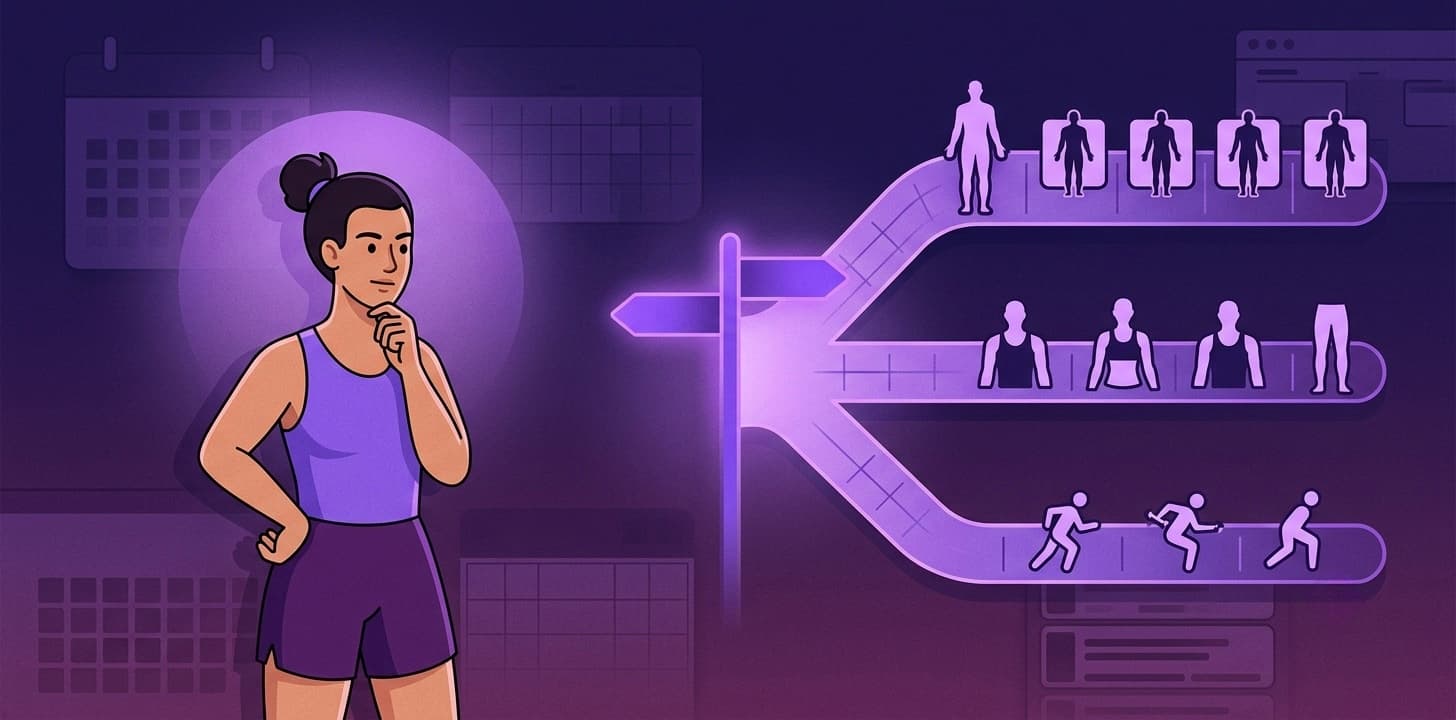
How to Pick the Right Training Split for Your Schedule
Three days? Four? Six? Your schedule determines your split — not the other way around. Here's the decision framework.
How to Use RepTrack's Cycle Tracking for Better Results
From first setup to daily check-ins to reading your phase coaching — here's how to get the most out of RepTrack's cycle-adaptive system.
The Lean Bulk Guide: Build Muscle Without Getting Fat
A lean bulk means gaining muscle with minimal fat. Here's the exact surplus, protein target, and tracking strategy to do it right.
Meal Timing: Does When You Eat Actually Matter?
The 'anabolic window' is mostly myth. But meal timing does matter in specific situations. Here's what the research actually says.
Your Metabolic Status Dashboard, Explained
Every number on RepTrack's metabolic screen means something specific. Here's what each metric is, where it comes from, and how to use it.
Rest Days: How Many You Need and When to Take Them
Recovery isn't laziness — it's where adaptation happens. Here's how to structure rest days, deload weeks, and active recovery.
Symptom Tracking: What Your Body Is Telling You About Your Training
A single bad day means nothing. Three cycles of symptom data reveals your unique performance patterns. Here's what to track and why.
BMR vs. RMR: What's the Difference and Which One Matters?
Two acronyms, one crucial concept. Here's what BMR and RMR actually mean, how they're calculated, and which equation you should trust.
Calorie Deficit vs. Surplus: Which One Do You Need?
How energy balance actually works — and how to set the right calorie target for fat loss, muscle gain, or maintenance.
Fat-Free Mass: The Metric Athletes Should Track Instead of Weight
Two people can weigh the same and look completely different. Fat-free mass explains why — and why it's the better metric for progress.
Full Body Training: Why Beginners Should Start Here
Three days per week, five compound movements, and a clear path from novice to intermediate. The beginner program that actually works.
Hydration for Performance: How Much Water Do You Actually Need?
Forget '8 glasses a day.' Here's how to calculate your actual hydration needs based on your body weight, activity level, and training demands.
Luteal Phase Nutrition: Why You Need More Calories (And What Kind)
Your metabolism speeds up in the luteal phase. Here's exactly how to adjust your calories, macros, and food choices to match.
RPE Training: How to Autoregulate Your Workouts
RPE lets you adjust training intensity based on how you actually feel — not just what the spreadsheet says. Here's how to use it properly.
Supersets, Drop Sets, and Giant Sets: When to Use Each One
Advanced set techniques can slash your workout time and boost hypertrophy — if you use them correctly. Here's when each one actually makes sense.
Training During Your Period: What the Science Actually Says
Yes, you can train. In fact, the science suggests you probably should. Here's how to adjust intensity, exercise selection, and expectations.
Upper/Lower Split: The 4-Day Program That Actually Works
The most efficient training split for people who can train four days per week — with balanced push/pull volume and real recovery time.
How to Warm Up Properly (And Why Most People Skip It)
Eight to twelve minutes of proper warm-up can improve your performance by 5-10% and dramatically reduce injury risk. Here's the protocol.
Push Pull Legs: The Complete Program Guide
How to structure the most popular training split — and why it works so well for intermediate lifters training 6 days per week.
TDEE Explained: How to Calculate Your Calorie Target
The complete breakdown of BMR, RMR, and TDEE — and how to use them to set a calorie target that actually works.
Protein, Carbs, and Fat: How to Set Your Macros
A no-nonsense guide to calculating your daily macronutrient targets based on your body, your goal, and the science.
How Your Menstrual Cycle Affects Training Performance
The four phases of your cycle change everything — energy, strength, recovery, and nutrition needs. Here's how to train with your biology, not against it.
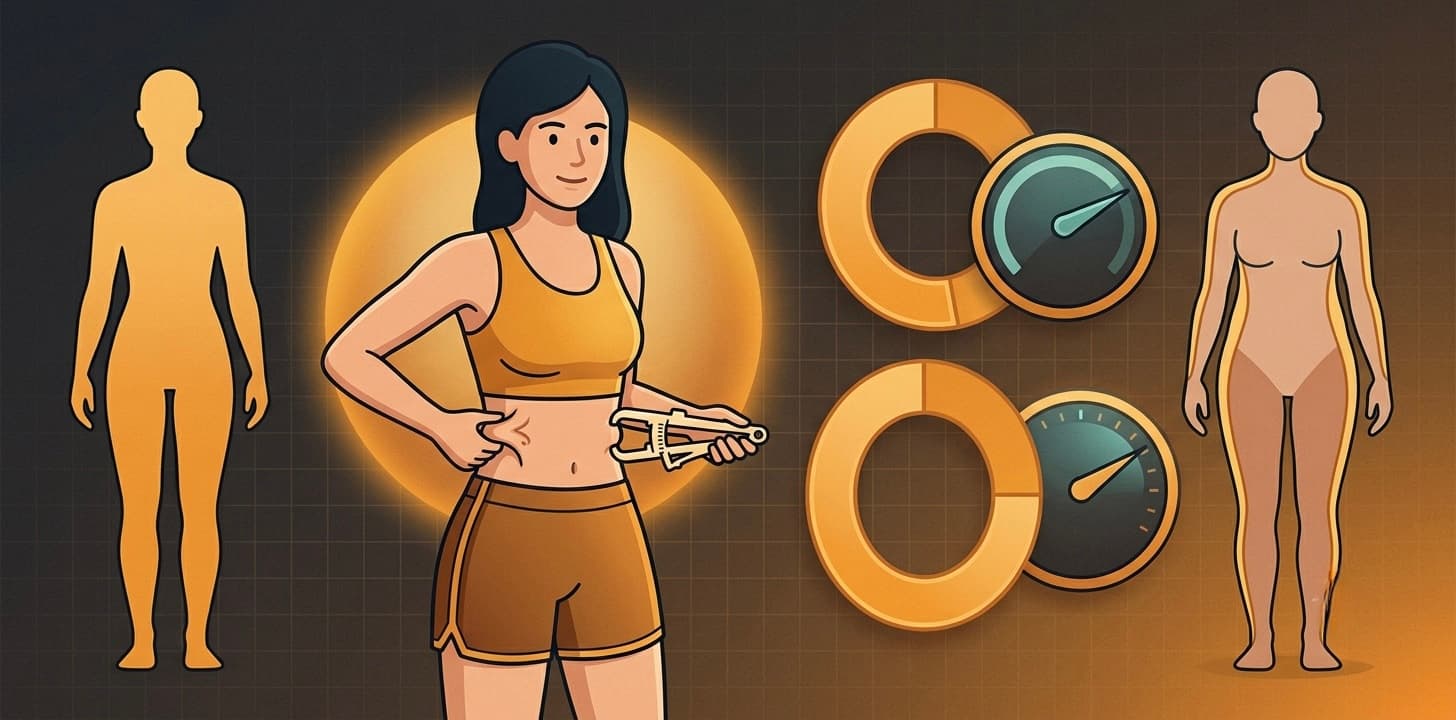
Body Fat Percentage: What It Means and How to Measure It
Why body fat percentage matters more than scale weight — and the best methods to actually measure it accurately.
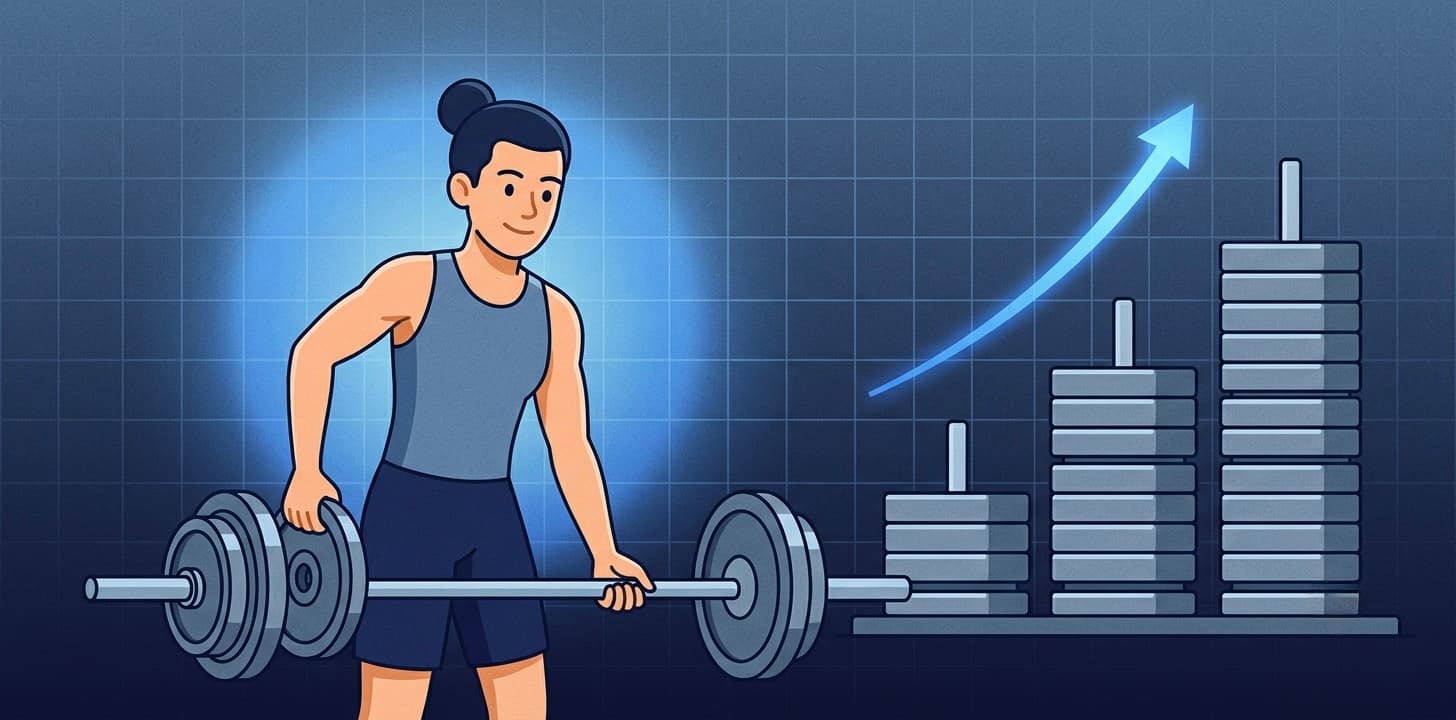
Progressive Overload: The Only Rule That Matters
If you're not progressively overloading, you're not progressing. Here's how to apply the most important principle in strength training.
How to Import Your Trainer's Program into RepTrack Pro
Got a workout plan as a PDF or photo? Here's how to turn it into a fully trackable program in seconds.
The 10 Best Compound Exercises (And How to Do Them)
Compound movements build the most muscle in the least time. Here are the 10 you should master — with form cues, common mistakes, and variations.